


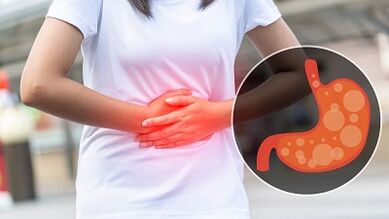
Gastritis is an inflammation of the stomach lining.There are hypo- and hyperacid gastritis (that is, with high or low acidity).
As you know, the stomach produces hydrochloric acid, the content of which determines the type of gastritis.Diet plays an important role in treating gastritis.
Basic diet rules
The main objective of a gastritis diet is to follow a diet that guarantees normal digestion.
The gastritis treatment table (per day) should contain:
- 90-100 gr.proteins (60% animal),
- 90-100 gr.fat (75% animal)
- 400-420 gr.carbohydrates.
The total energy value should be 2,800 to 3,000 kcal.
Nutritional rules for gastritis
Power Mode
Firstly, you must follow a meal schedule (at the same time).Secondly, with gastritis, meals should be fractional, 4-5 times a day, but at the same time it is necessary to avoid snacks (they provoke “excessive” secretion of gastric juice and reduce its production at breakfast/lunch/dinner, which disrupts the processes of processing and assimilating food).
Reading while eating, watching TV and “eating while running” should be strictly excluded.
Knowing the measure
With gastritis, the saying “after eating there should be a slight feeling of hunger” is more relevant than ever.
Firstly, the feeling of satiety occurs only 10-15 minutes after eating, and secondly, a full stomach does not perform its functions well, especially with gastritis.
Chew food
Chewing food for a long time (at least 25-30 seconds for each piece) promotes more complete mechanical processing of food, which makes it easier to treat stomach pain.Furthermore, in this case, hunger is satisfied more quickly (which prevents overeating).
Refusal of complex dishes
The menu for gastritis should consist of simple but varied dishes.A large number of ingredients in dishes makes it difficult for the stomach to digest.
Rest after eating
After each meal, you need to rest for 15-20 minutes (not necessarily sleep).You can read a book or listen to music.
Prohibited foods for gastritis
With greater acidity
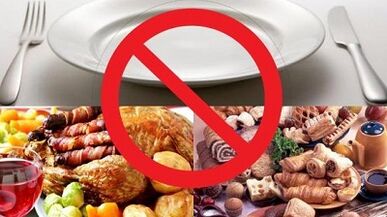
In gastritis with increased production of hydrochloric acid, the diet should aim to reduce the formation of gastric juice.Therefore, the principles of the treatment table consist of 3 points:
- mechanic– avoid consuming foods with coarse fibers (bran bread, turnips, radishes, “old” meat);
- chemical– prohibition of foods that increase the production of gastric juice (alcohol, coffee, white cabbage, citrus fruits, sour fruits and berries, strong broths);
- thermal– do not eat foods that are too cold or, on the contrary, hot (ideal temperature 50 degrees).
Prohibited foods for hyperacid gastritis:
- fresh bread, especially warm, butter-based pastries and puff pastry;
- cereals: pearl barley, legumes, millet, barley, millet (coarse fiber);
- rich meat and fish broths, okroshka, borscht, mushroom soups (contain many extractive substances that stimulate the production of gastric juice);
- fatty and fibrous varieties of any meat: duck, chicken, pork, smoked meats (they are difficult to digest in the stomach and increase the formation of hydrochloric acid);
- fatty and salty fish (cause the formation of gastric juice);
- fermented milk products (all types of spicy cheeses, limited to sour cream);
- vegetables: rutabaga, radish, radish, sorrel, spinach, canned vegetables (coarse fiber), as well as onions and garlic, especially raw (they stimulate the gastric glands in the mucosa);
- sweets: sour fruits and berries, green fruits, chocolate, dried fruits (coarse fiber, higher acidity);
- spices: mustard, pepper, horseradish (stimulate the production of hydrochloric acid);
- carbonated drinks, kvass, coffee (stimulate the release of hydrochloric acid, increase gas formation, cause heartburn);
- fried and boiled eggs, animal fats (except butter).
Gastritis with low acidity
The goal of a low-acid gastritis diet is to stimulate (in moderation) the production of gastric juice.Food should be ingested after the secretion of hydrochloric acid begins, that is, in the first phase (advertising or programs about food, beautiful photos of food, “delicious” conversations can cause the release of gastric juice).
Prohibited foods for hypoacid gastritis:
- fresh bread, rich pastries (“heavy” food for the stomach, making chemical and mechanical processing difficult);
- restriction of pearl barley, legumes, corn;
- fatty meats, meat with fascia (films), canned food, smoked meat (inadequate mechanical processing of food, excessive release of hydrochloric acid);
- fatty and salty fish;
- vegetables and fruits with coarse fiber (white cabbage, turnips, radishes, cucumbers, peppers), mushrooms;
- berries with grains or thick skin (raspberries, strawberries, gooseberries, gooseberries, figs);
- spicy and salty cheeses, milk – neutralizes hydrochloric acid;
- pork, beef, lard and lamb fat (not digestible due to the low production of hydrochloric acid, foods that are difficult to digest);
- spices and spices (irritate the gastric mucosa), as well as chocolate, grape juice, alcohol;
Authorized Products
With greater acidity

Allowed and recommended products and dishes for gastritis with increased acid formation should neutralize the high content of hydrochloric acid in the stomach and facilitate digestion in the stomach (purées, liquid porridge, boiled meat, fish and poultry).
Allowed products for hyperacid gastritis:
- “yesterday’s” or dry bread, crackers, dry biscuits (biscuits);
- vegetable puree puree (carrots, potatoes, beets, cauliflower), peeled tomatoes;
- fruits that do not contain coarse fiber (bananas, baked apples, ripe pears, sweet berries, as well as prepare fruit drinks, compotes, jams, jellies);
- sweet products: sour cream, marshmallows, marshmallows, honey (drinking water with honey 1.5-2 hours before meals reduces stomach acidity, has a healing and immunostimulating effect);
- butter (natural and ghee), vegetable oils (contain vitamin E, which neutralizes hydrochloric acid);
- lean varieties of meat and poultry (veal, beef without tendons and fascia, “white” chicken meat);
- milk, cream, low-fat cottage cheese (antacid - anti-heartburn effect, coats the gastric mucosa, neutralizes gastric juice);
- river fish (contains a large amount of unsaturated fats, which normalizes the functioning of the digestive tract) in the form of cutlets or steamed, boiled;
- seafood;
- parsley and dill, vanillin and cinnamon in small quantities to stimulate appetite;
- boiled eggs or steamed omelet (preferably white);
- cabbage, potato, carrot juices (or a mixture) – antacid effect, high vitamin U content – anti-ulcer factor;
- rosehip decoction (a lot of vitamin C, which has a healing effect and stimulates appetite), weak tea or coffee with milk, cocoa, still mineral water (removal of toxins).
With low acidity
Products recommended for consumption in gastritis with low acidity should stimulate the production of hydrochloric acid.Feeding should coincide with the beginning of the release of gastric juice.
Allowed products for hypoacid gastritis:
- dry bread, cookies, baked goods;
- porridge with water or diluted milk, well cooked, liquid, meatballs and cutlets also steamed, puddings, soufflés;
- veal, beef, skinless chicken;
- low-fat meat and fish broths, you can add cereals, pasta, if well tolerated, borscht, cabbage soup, borscht with chopped vegetables;
- potatoes, zucchini, pumpkin, white cabbage (finely chopped), cauliflower (boiled, steamed or in the form of puree, pudding);
- potato, cabbage, carrot juices immediately before meals (stimulate the release of hydrochloric acid);
- water with honey before meals (stimulates the formation of acids), watermelons, peeled grapes, baked apples, compotes and mousses from very ripe and sweet fruits and berries;
- tea with lemon, weak coffee, cocoa with diluted milk, rosehip broth;
- vegetable oils, butter;
- fermented dairy products, grated and soft cheeses in small slices;
- boiled eggs or egg white omelet.
The need to follow a diet
No medication can completely cure acute gastritis or lead to stable remission in the presence of chronic gastritis.
All advertised medicines, available to everyone, are sold without a prescription in pharmacies.But they only (temporarily) eliminate unpleasant symptoms (heartburn, pain, belching).
Following a diet for gastritis not only makes the patient's life easier, but also disciplines the person.
The treatment table for gastritis is a complete and healthy diet, normalization of lifestyle, rejection of bad habits and low-quality products.In addition, a diet for gastritis helps to normalize weight (those who have lost weight will gain weight, and those who are overweight will lose weight), since timely and nutritious food not only normalizes the functioning of the gastrointestinal tract, but also all metabolic processes and, consequently, strengthens the immune system.
Consequences of not following the diet
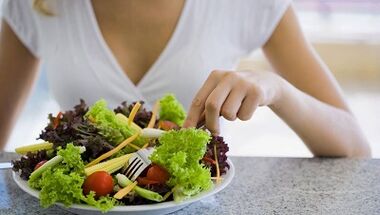
If you refuse to follow a diet for any type of gastritis, the patient may face the following problems:
- vitamin deficiency;
- diseases of the liver, pancreas, duodenum, large and small intestines (as a result of impaired functioning of the stomach);
- significant loss of body weight (fear of eating);
- peptic ulcer and its consequences: ulcer perforation, ulcer penetration - germination in the organ, bleeding;
- the formation of atrophic gastritis and its transformation into stomach cancer.